
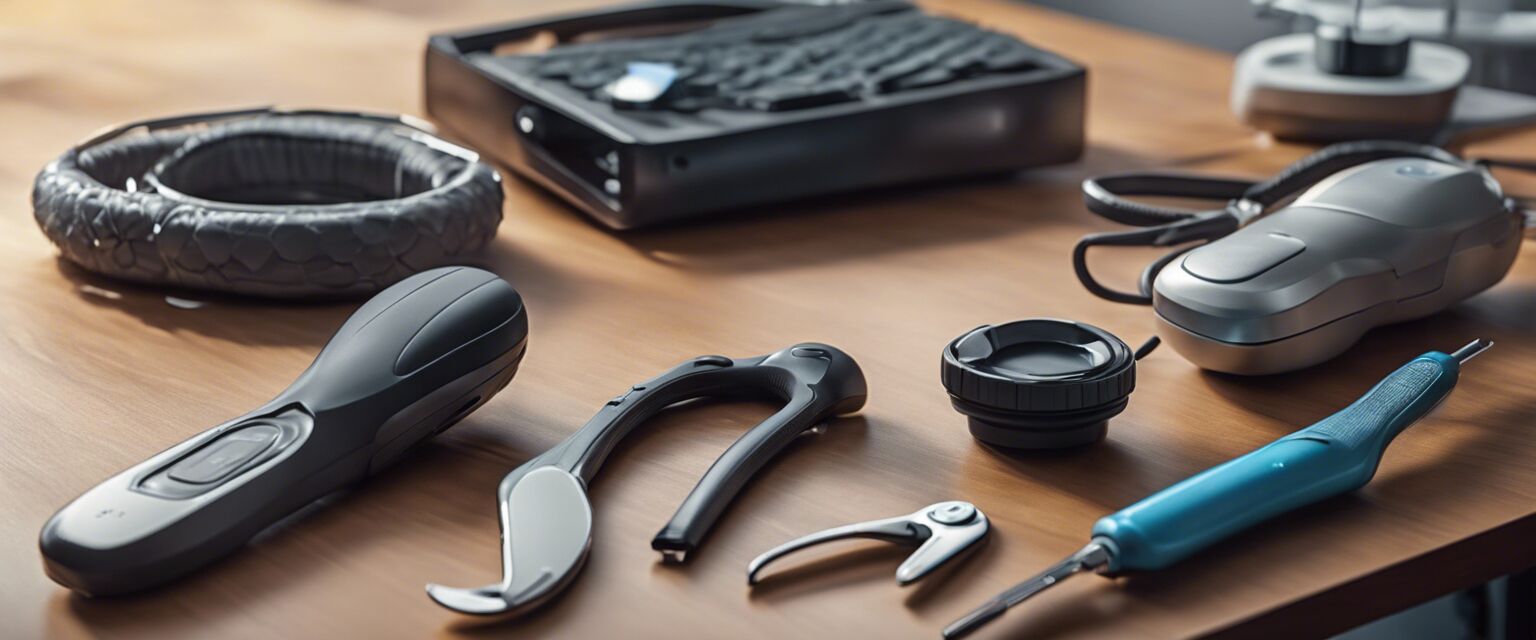
Assistive Devices for Arthritis
Key Takeaways
- Assistive devices streamline daily tasks for those with arthritis.
- They range from ergonomic tools to supportive footwear.
- Using these devices can significantly improve quality of life.
- Tailoring your selection based on personal needs is crucial.
Arthritis can make daily tasks challenging, but the right assistive devices can ease these struggles significantly. From ergonomic aids to specialized tools, these devices can help individuals maintain their independence and manage their symptoms effectively.
Types of Assistive Devices for Arthritis
There are several types of assistive devices that can enhance the quality of life for those managing arthritis. These devices offer solutions tailored to various daily challenges:
| Type of Device | Description |
|---|---|
| Ergonomic Aids | Tools designed to reduce strain on joints during daily activities. |
| Heat and Cold Therapy | Products that provide temperature relief to inflamed joints. |
| Joint Supplements | Natural aids that support joint health and mobility. |
| Orthopedic Pillows | Pillows designed to support spinal alignment and reduce pressure on joints. |
| Pain Relief Creams | Topical solutions that temporarily relieve discomfort. |
| Supportive Footwear | Specialized shoes that provide comfort and stability for those with joint issues. |
Ergonomic Aids and Tools

Ergonomic aids can make everyday tasks easier to manage. They are specifically designed to reduce strain on your hands and joints. Common ergonomic tools include:
- Ergonomic scissors
- Specialty jar openers
- Adaptive cutlery with soft grips
For a deeper dive into these aids, visit our Ergonomic Aids and Tools page.
Heat and Cold Therapy Products
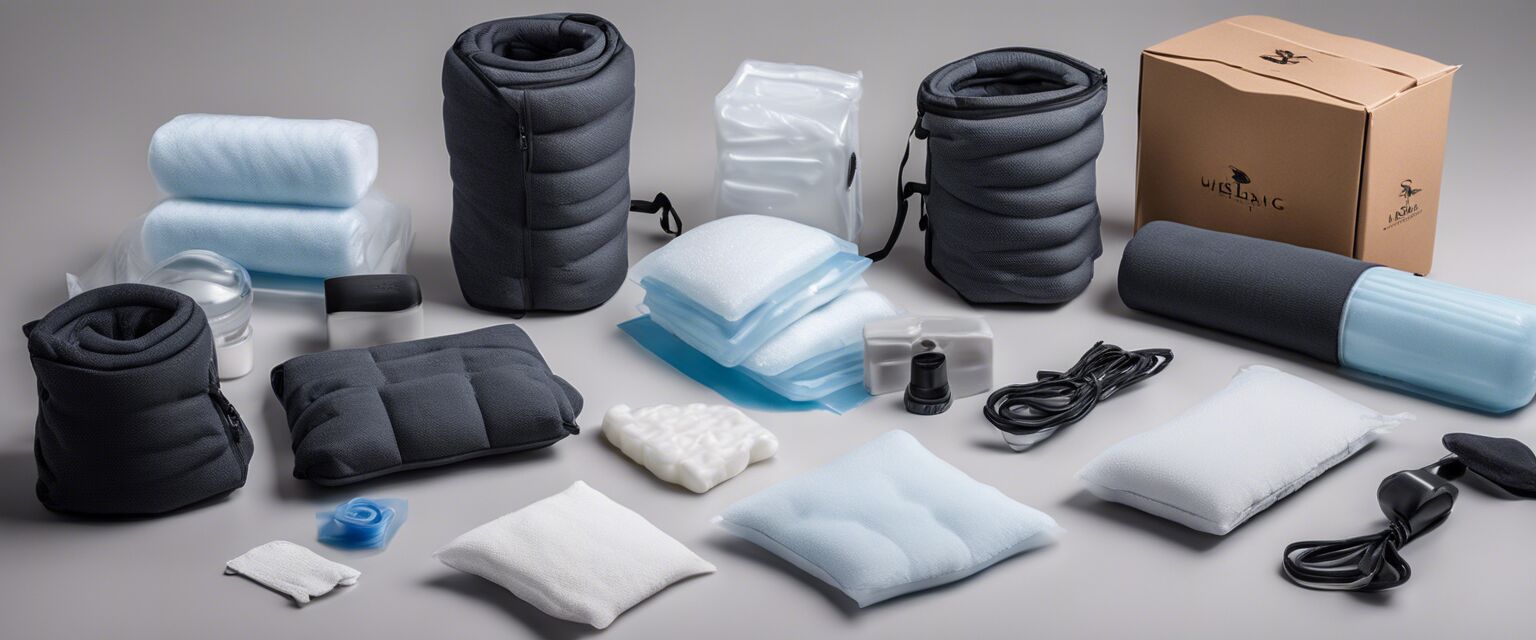
Temperature therapy can provide relief from arthritis pain. Heat therapy helps with muscle relaxation, while cold therapy can minimize swelling. Here are some effective options:
- Heating pads
- Cold gel packs
- Thermal wraps
To explore some effective therapies, check our Heat and Cold Therapy Products page.
Joint Supplements
Joint supplements can be beneficial in maintaining joint health. They often contain ingredients such as glucosamine and chondroitin. Here are some points to consider:
- Can potentially support joint flexibility
- May reduce joint discomfort
- Ideal to consult with a healthcare professional before beginning any supplement
Learn more about the options available at our Joint Supplements page.
Orthopedic Pillows and Cushions
For restful sleep and relaxation, orthopedic cushions and pillows can provide excellent support to alignment. These products help those with arthritis by:
- Reducing pressure on sensitive joints
- Ensuring a stable sleeping position
- Providing added comfort while sitting
Explore a variety of options on our Orthopedic Pillows and Cushions page.
Pain Relief Creams and Gels
Topical creams and gels can serve as a handy solution for addressing localized discomfort. Some common types include:
- Heating rubs
- Cooling gels
- Capsaicin-based creams
For more information, visit our Pain Relief Creams and Gels page.
Supportive Footwear

Finding the right supportive footwear is essential for maintaining comfort and mobility. Good footwear should offer:
- Arch support to alleviate pressure
- Shock absorption for joint protection
- Room for custom orthotics, if necessary
Discover styles available at our Supportive Footwear page.
Conclusion
Assistive devices play a vital role in helping those with arthritis maintain independence in their daily lives. By choosing the right tools and aids, individuals can experience reduced pain and improved functionality. It's essential to assess your personal needs and preferences when selecting these devices to ensure the best outcomes.
Pros
- Enhances daily living quality for those with arthritis.
- Tools are specifically designed to ease joint strain.
- Wide range of products to suit diverse needs.
Cons
- Some devices may require adjustment period.
- Initial costs may be a concern for some individuals.
- Not all products may suit every individualâs needs.
Tips for Beginners
- Start with essential ergonomic tools that are easy to use.
- Consult with a professional for personalized recommendations.
- Choose products that feel comfortable in your hands.