
Arthritis Pain Management Techniques
Key Takeaways
- Understanding different pain management techniques can empower those with arthritis.
- Heat and cold therapy are simple yet effective methods.
- Using ergonomic tools can help reduce strain on joints.
- Diet and exercise play a crucial role in managing arthritis pain.
- Consulting healthcare professionals is essential for personalized guidance.
Living with arthritis can be painful and challenging. Fortunately, there are various techniques and methods to manage arthritis pain effectively. By integrating these strategies into daily life, individuals can relieve discomfort, enhance mobility, and improve overall well-being. In this article, we will explore several proven techniques and provide practical tips for effective arthritis pain management.
Common Arthritis Pain Management Techniques
- Heat and Cold Therapy
- Use of Ergonomic Aids and Tools
- Physical Therapy and Exercise
- Dietary Adjustments
- Pain Relief Creams and Gels
1. Heat and Cold Therapy
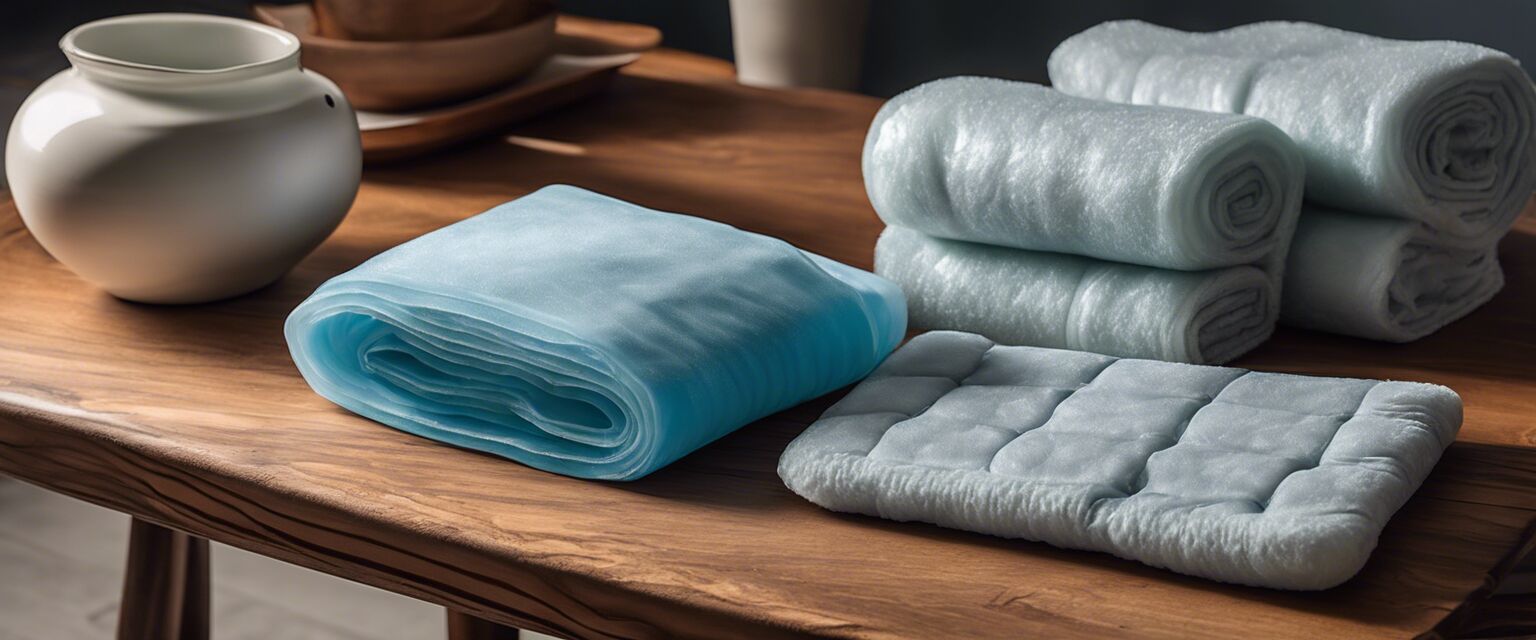
Applying heat or cold to the affected areas is a straightforward and accessible method. Heat therapy can relax muscles and increase blood flow, while cold therapy can reduce inflammation and numb pain.
2. Use of Ergonomic Aids and Tools
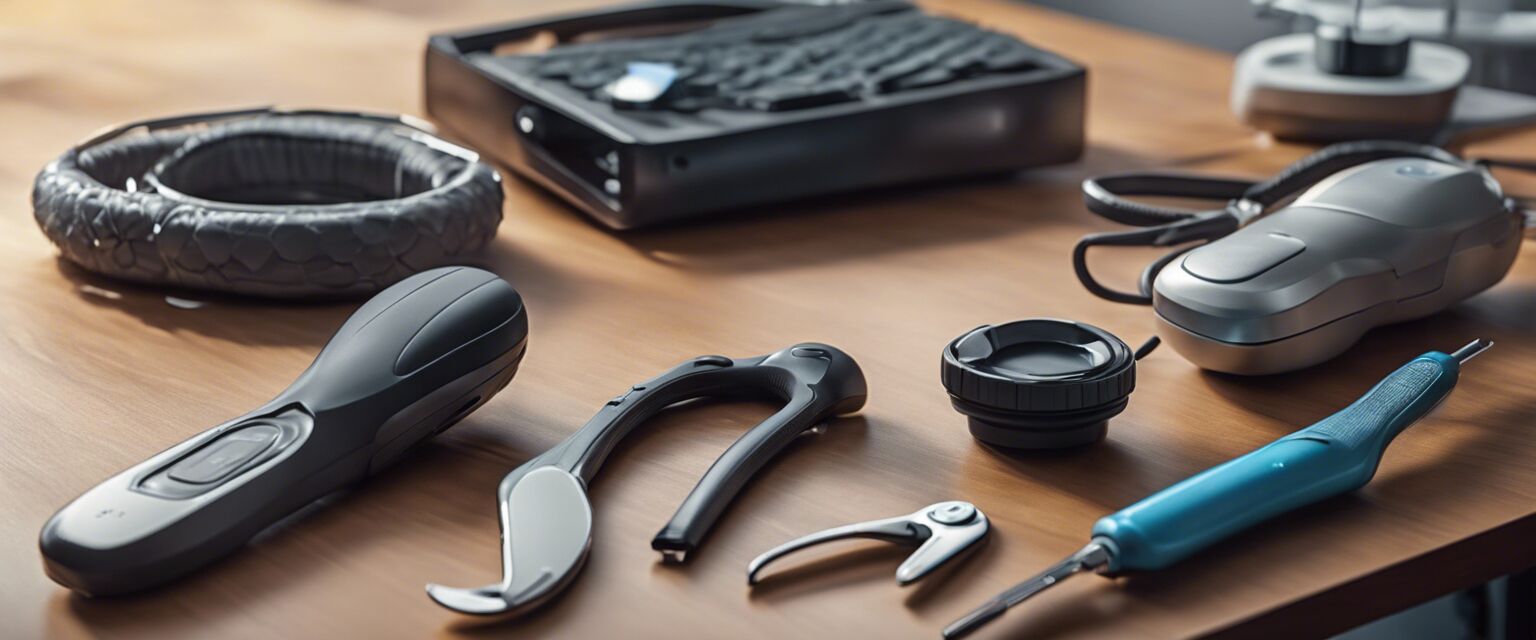
Investing in ergonomic aids and tools can significantly ease the pain of daily tasks. Tools like ergonomic kitchen utensils, jar openers, and writing aids reduce strain on joints.
| Ergonomic Tool | Benefits |
|---|---|
| Ergonomic Utensils | Reduce hand stress while preparing meals |
| Jar Openers | Make opening jars easier, with less strain |
| Writing Aids | Enhance grip and comfort for writing tasks |
3. Physical Therapy and Exercise
Regular exercise and physical therapy can help maintain joint mobility and reduce stiffness. Low-impact activities such as swimming or cycling are preferred.
Tips for Getting Started with Exercise
- Start slowly: Begin with short sessions and gradually increase duration.
- Choose activities you enjoy: This helps maintain motivation.
- Consult a professional: A physical therapist can create a personalized plan.
4. Dietary Adjustments
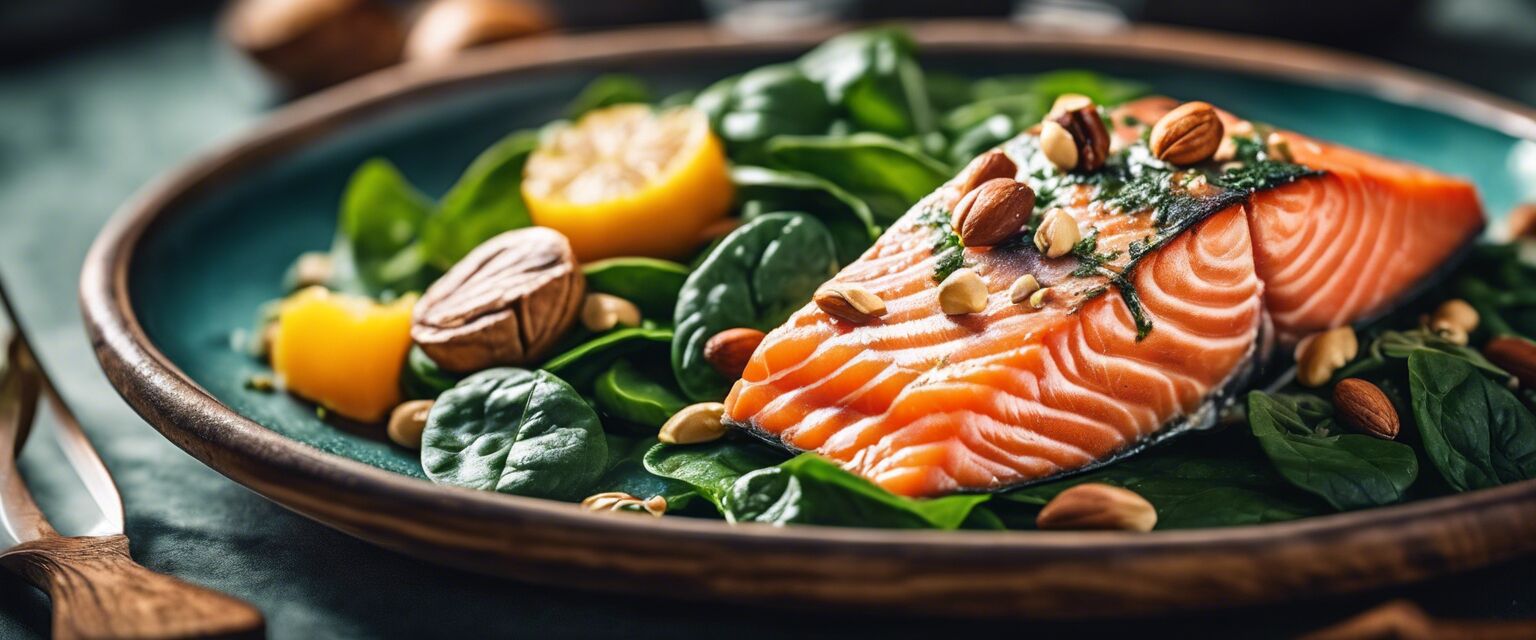
What you eat can influence inflammation in the body. Incorporating anti-inflammatory foods like fatty fish, nuts, and green leafy vegetables can be beneficial.
5. Pain Relief Creams and Gels
Topical pain relief creams and gels are designed to be applied directly to the skin and can provide temporary relief for localized pain.
Pros
- Multiple options available for individual needs.
- Low-risk methods such as heat therapy and dietary changes.
- Improves quality of life when managed properly.
Cons
- Pain relief may vary between individuals.
- Some methods may require trial and error.
Consulting Healthcare Professionals
It is imperative to consult healthcare professionals before starting any new treatment or exercise program. They can provide personalized recommendations and ensure safety while managing arthritis pain.
Additional Resources
For further information on arthritis pain management, check out our other resources on:
- Ergonomic aids and tools
- Heat and cold therapy products
- Joint supplements
- Orthopedic pillows and cushions
- Supportive footwear